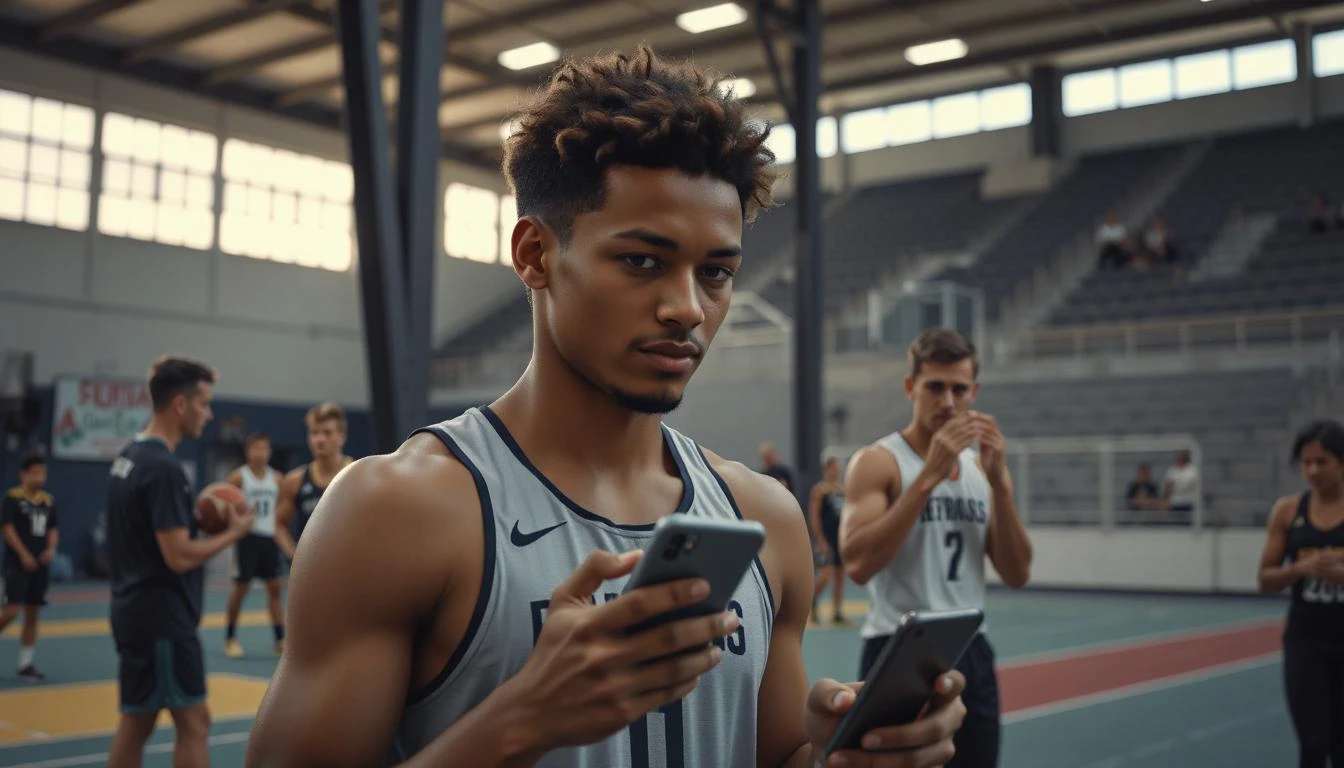
How Fans Engage in Digital Sports Era

Sports are no longer limited to stadiums, television broadcasts, or post-match discussions among friends. The digital age has transformed the way people experience competition, creating an environment where every goal, highlight, transfer rumor, and controversial decision can spark instant reactions from audiences around the world. Fans are no longer simply watching events unfold; they are becoming part of the conversation itself.
Today, digital sports fans play a crucial role in shaping online discussions, creating viral content, and influencing how sports organizations connect with their audiences. From social platforms to interactive applications, modern fandom has evolved into a dynamic ecosystem where participation matters just as much as observation. This shift has redefined sports culture and opened new opportunities for engagement across every level of competition.
Evolution of Fan Engagement in Modern Sports
The relationship between fans and sports organizations has changed dramatically over the last decade. What was once a one-way flow of information has become an ongoing dialogue. Audiences now expect interaction, personalization, and immediate access to content whenever they want it.
For many, being a fan online means more than following scores or watching highlights. It involves participating in conversations, sharing opinions, supporting favorite athletes, and connecting with communities that share the same passion. This level of engagement has become one of the defining characteristics of modern sports culture.
Shift from passive viewers to active participants
Traditional sports audiences were largely passive consumers of content. They watched games, read reports, and followed updates through established media channels. Today, supporters have become active participants who contribute to discussions before, during, and after every event.
Live reactions, social media comments, community polls, and fan-generated analysis have created an environment where supporters influence the overall experience. Their voices help shape narratives and amplify important moments beyond the field of play.
Social media as primary engagement hub
Social media platforms have become the central destination for sports conversations. Whether discussing player performances, breaking news, or memorable highlights, fans increasingly turn to digital platforms for instant interaction.
Media scholar Henry Jenkins once noted that participatory culture allows audiences to become contributors rather than mere consumers. That observation is especially relevant today, as sports fans continuously generate conversations that rival the reach of traditional media outlets.
Growth of global online fan communities
Geographical limitations no longer prevent supporters from connecting with one another. A football fan in Asia can discuss a match with supporters in Europe or North America within seconds.
These global communities create deeper connections between individuals who may never meet in person but share a common enthusiasm. As a result, sports fandom has become more diverse, inclusive, and interconnected than ever before.
Interactive Tools Shaping Fan Participation
Technology has introduced new ways for audiences to become involved in sporting experiences. Interactive features now encourage participation rather than passive consumption, making every game more engaging and memorable.
Polls, quizzes, and live prediction tools
Interactive tools such as polls, quizzes, and prediction challenges allow fans to test their knowledge and express their opinions in real time. These features create excitement before and during competitions while encouraging ongoing engagement.
Supporters enjoy comparing predictions, debating outcomes, and measuring their insights against fellow fans. This sense of involvement strengthens emotional connections with teams and events.
Fantasy leagues and competitive gaming elements
Fantasy sports have become one of the most influential developments in modern fan engagement. Participants build virtual teams, analyze player statistics, and compete against friends or wider communities throughout a season.
The addition of rankings, achievements, and competitive mechanics transforms sports viewing into an ongoing strategic experience. Fans remain engaged even when their favorite teams are not playing because every player performance can impact their fantasy results.
Real-time discussion features across apps
Many sports platforms now include real-time chat systems, discussion boards, and live comment sections. These features create virtual gathering spaces where supporters can celebrate victories, debate controversial decisions, and share reactions instantly.
The ability to participate in conversations as events unfold has become one of the most valued aspects of digital sports engagement, helping fans feel connected regardless of location.
Content Creation by Sports Fans
One of the most remarkable developments in modern sports culture is the rise of fan-generated content. Supporters are no longer just consumers of information; they are creators who influence discussions across multiple platforms.
Reaction videos and commentary content
Reaction videos have become a popular format for sports enthusiasts who want to share authentic emotions and opinions. Whether celebrating a championship victory or analyzing a controversial decision, these videos provide perspectives that resonate with fellow supporters.
Audiences often appreciate genuine reactions because they feel relatable and unscripted. As a result, many fan creators have built loyal communities around their content.
Fan edits and highlight compilations
Creative editing tools have made it easier than ever for supporters to produce professional-looking content. Fan edits, highlight compilations, and tribute videos regularly attract significant attention online.
These creations often showcase moments from unique perspectives, helping audiences revisit memorable performances while celebrating athletes and teams in creative ways.
Influencer-driven sports discussions
Sports influencers have become influential voices within the digital landscape. Their commentary, analysis, and discussions frequently generate extensive engagement across social platforms.
Marketing expert Seth Godin famously stated that people do not buy goods and services; they buy relationships, stories, and magic. In sports media, this principle helps explain why audiences often connect strongly with creators who provide authentic insights and compelling narratives.
Join the New Era of Digital Sports Fandom
The future of sports engagement is becoming increasingly interactive, immersive, and community-driven. Emerging technologies continue to create new opportunities for fans to connect with teams, athletes, and fellow supporters in ways that were unimaginable only a few years ago.
As digital platforms evolve, the line between spectator and participant continues to fade. Fans now help shape conversations, influence trends, and contribute to the culture surrounding their favorite sports every day.
The next chapter of sports fandom will not be defined solely by what happens on the field. It will also be shaped by the millions of supporters who engage, create, share, and connect across digital spaces worldwide.
If you are passionate about sports, now is the perfect time to become part of the conversation and experience the new era of fandom for yourself.